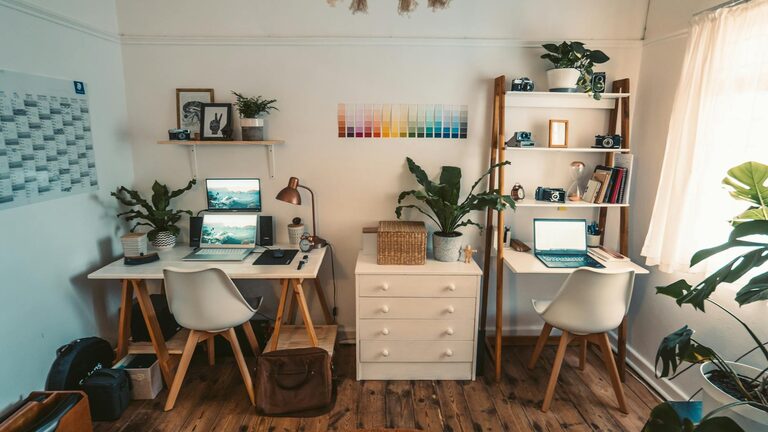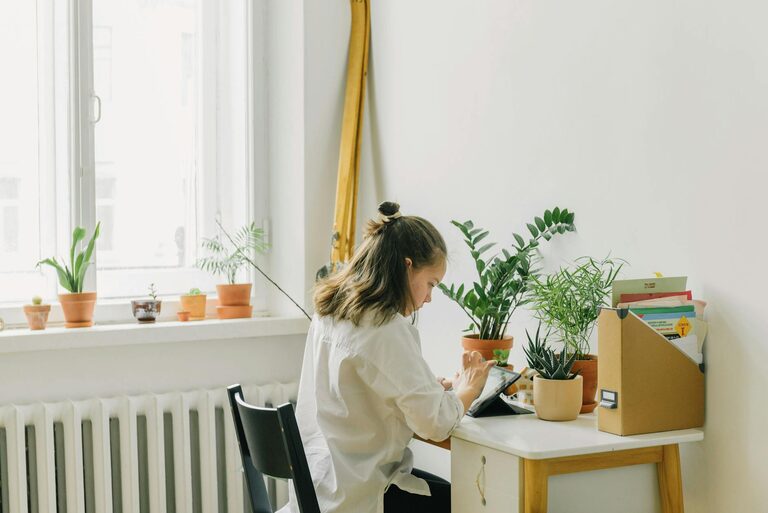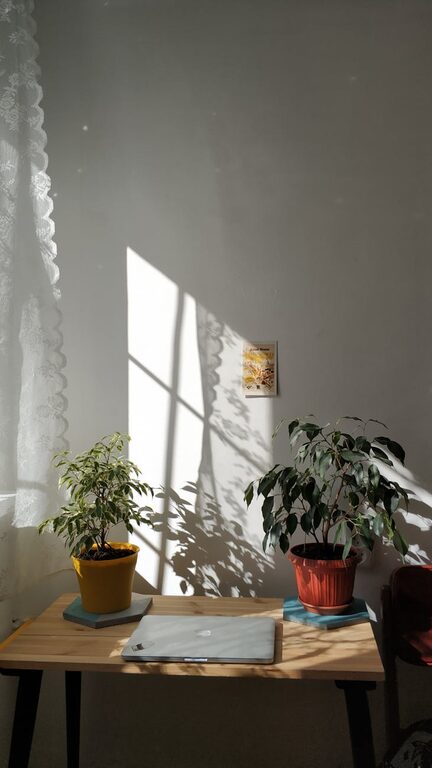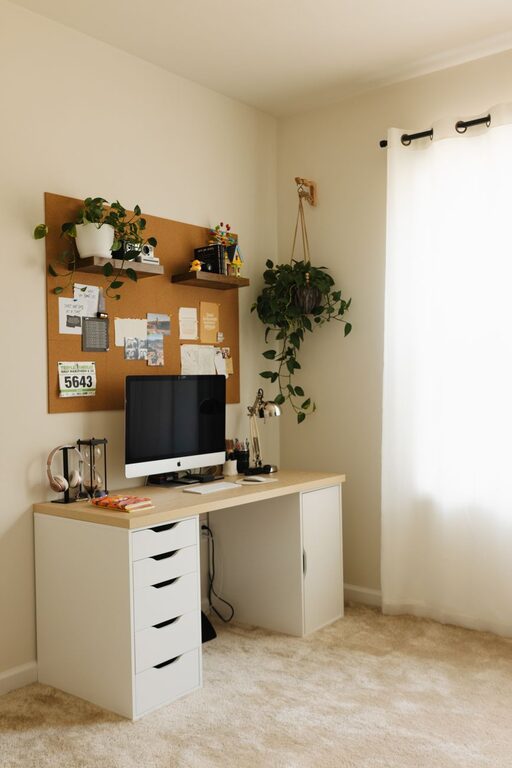
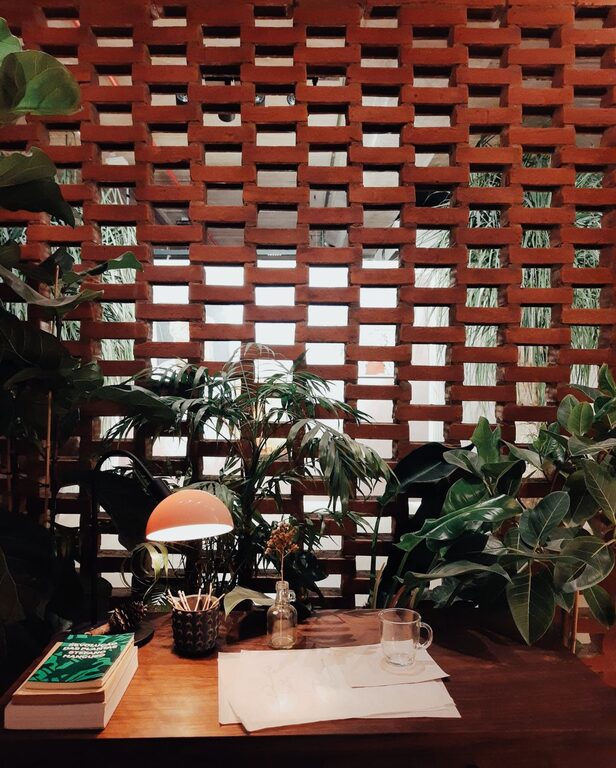
Creating a cozy and inviting home office space can make a big difference in your workday experience. Whether you work full-time from home or need a comfortable spot for occasional tasks, a well-designed workspace helps you stay focused and feel relaxed. Below, we explore practical tips to design a home office that combines comfort, functionality, and style.
1. Choose the Right Location
Selecting the best spot in your home for your office is the first step. Ideally, pick a quiet area with good natural light. Near a window is great if you want fresh air and daylight; these elements can improve mood and productivity. Avoid high-traffic places or noisy rooms to reduce distractions.
If space is limited, consider a corner of your living room or bedroom, or even a converted closet. Use room dividers or bookshelves to create a sense of separation from the rest of the home.
2. Invest in Comfortable Seating
One of the most important elements in a home office is the chair. Look for an ergonomic chair that supports your back and encourages good posture. Comfort is essential, especially if you spend long hours sitting.
If possible, choose a chair with adjustable features such as height, armrests, and tilt. Pair it with a supportive cushion or footrest, if needed, to reduce strain. Remember, comfort helps prevent fatigue and boosts concentration.
3. Prioritize Good Lighting
Lighting plays a key role in creating a welcoming atmosphere. Natural light is ideal, but since not all home offices have ample windows, supplement with carefully chosen artificial lighting.
Use a combination of ambient light (such as ceiling fixtures) and task lighting like desk lamps. Adjustable, warm-toned LED bulbs create a soft, inviting glow that reduces eye strain. Position your desk lamp to avoid shadows on your workspace.
4. Organize with Smart Storage Solutions
A tidy workspace helps you stay focused and feel calm. Incorporate storage options that keep your office essentials organized and within reach.
Consider shelves, filing cabinets, or desk organizers to reduce clutter. Use boxes or baskets to store supplies neatly. Label everything for easy access. Keeping cords and cables managed with clips or sleeves also maintains a clean look.
5. Personalize with Decor and Plants
Decorate your home office to make it a pleasant place to spend time. Personal touches can be both functional and inspirational.
Hang artwork or photos that motivate you. Choose calming colors for walls or accessories—shades like soft blues, greens, or neutrals promote relaxation. Adding a few indoor plants brings life and improves air quality. Succulents or small potted plants are low-maintenance options.
6. Create a Functional Desk Setup
Your desk is the core of your home office. Ensure it fits your needs and has enough surface area for your computer, documents, and accessories.
Position your monitor at eye level to prevent neck strain. Use a keyboard and mouse that feel comfortable to use. If you have space, dedicate a section of your desk for handwritten notes or creative brainstorming.
Some people find standing desks or adjustable desks helpful to alternate between sitting and standing during the day.
7. Control Noise and Distractions
Even a cozy office can be disrupted by household noises. Use noise-cancelling headphones or soft background music to help maintain focus.
Consider adding rugs, curtains, or cushions which absorb sound and reduce echo in your workspace. If space permits, door seals or draft stoppers can minimize noise from other rooms.
8. Keep Technology Simple and Efficient
Avoid overloading your office with complicated gadgets or excessive tech accessories. A simple, reliable computer, a good internet connection, and basic peripherals usually suffice.
Use wireless devices to reduce cable clutter. Backup your work regularly with cloud storage or external drives to prevent data loss.
9. Maintain Regular Tidying Habits
Finally, keep your home office inviting by maintaining regular cleaning and tidying habits. At the end of each day, spend a few minutes organizing your desk, filing papers, and clearing any distractions.
Regular maintenance not only keeps your space neat but also helps mentally separate work time from relaxation time.
—
Conclusion
Designing a cozy and inviting home office does not have to be difficult or expensive. By paying attention to location, comfort, lighting, organization, and personal touches, you can create a space that supports both productivity and well-being. Start small and adjust your setup over time—your ideal home office should reflect your work style and personality. Enjoy your workday in a space where you truly feel at home!
About the Author