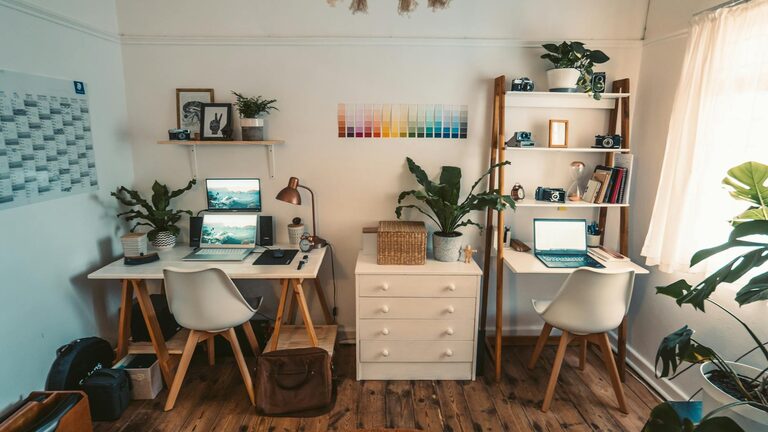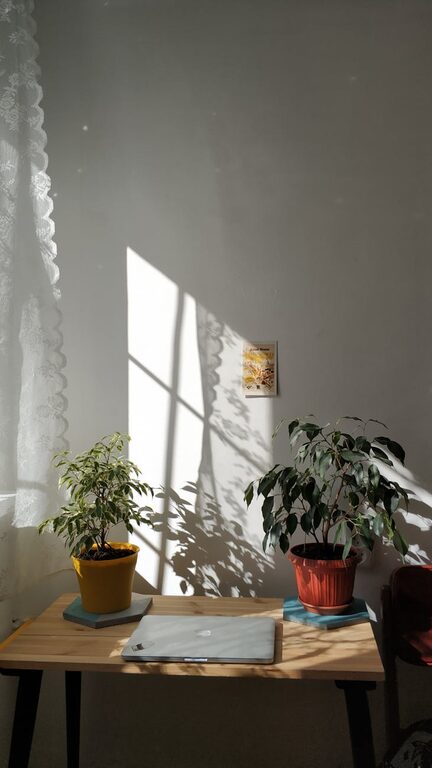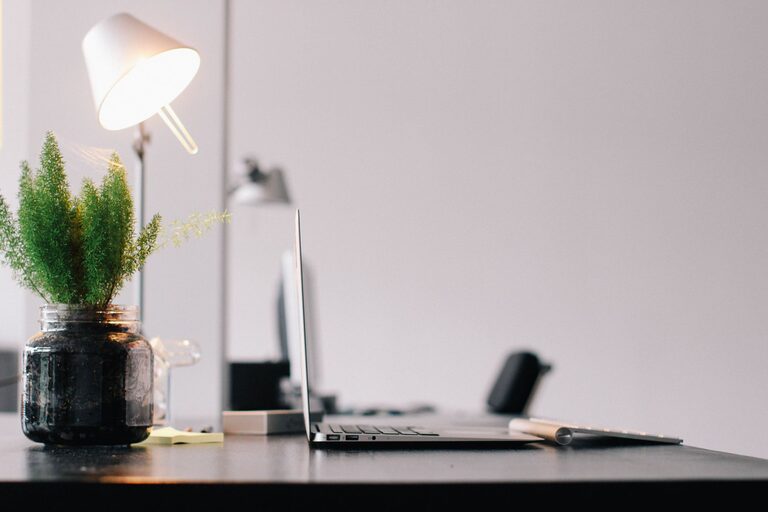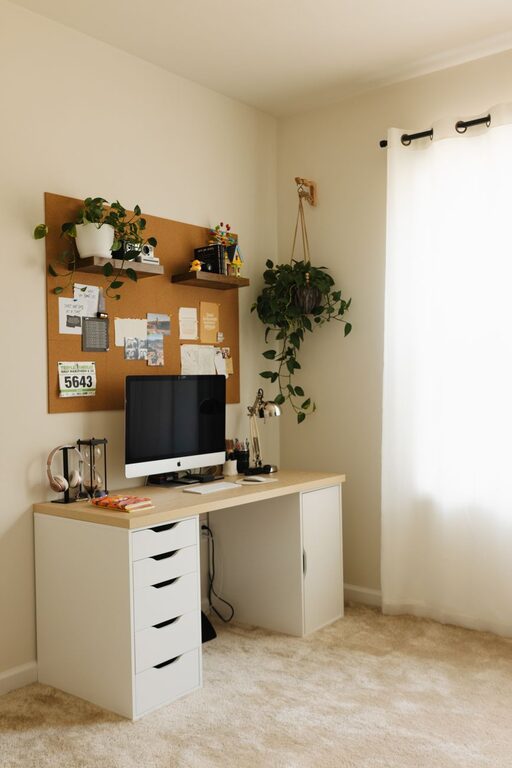
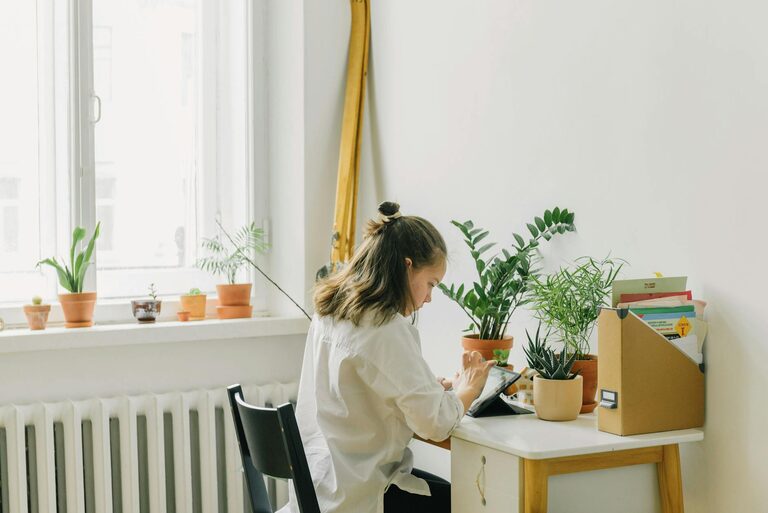
Working from home has become a common routine for many people around the world. Whether you’re freelancing, managing a remote team, or simply handling personal projects, having a dedicated home office space can make a big difference in your productivity and well-being. Creating a home office that is both relaxing and productive helps you stay focused, reduce stress, and maintain a healthy work-life balance. Here are some practical tips to design such an environment.
Choose the Right Location
The first step is deciding where to set up your home office.
– Quiet Space: Pick a spot in your home that is quiet and free from distractions, such as a spare room or a quiet corner.
– Natural Light: Try to choose a place near a window. Natural light improves mood and helps reduce eye strain.
– Space for Movement: Ensure there is enough room for a desk, chair, and anything else you need, and a little extra space to move around comfortably.
Invest in Comfortable and Ergonomic Furniture
Your physical comfort directly affects how productive and relaxed you feel.
– Ergonomic Chair: Choose a chair that supports good posture with adjustable height and lumbar support.
– Proper Desk: A desk with enough surface area lets you organize your tools without clutter.
– Adjustable Setup: Consider accessories like an adjustable monitor stand or keyboard tray to keep your body aligned naturally.
Organize and Declutter Your Workspace
A clean and tidy environment reduces stress and helps keep your mind clear.
– Declutter Daily: Spend a few minutes at the end of each day to tidy your desk.
– Storage Solutions: Use shelves, drawers, or boxes to store items you don’t need immediately.
– Minimalist Approach: Keep only essential tools and decorations visible to avoid distraction.
Control Lighting and Reduce Screen Glare
Good lighting is essential for both comfort and productivity.
– Layered Lighting: Combine natural light with ambient and task lighting to avoid harsh shadows.
– Soft Light Sources: Use desk lamps with soft, warm light bulbs to create a calming atmosphere.
– Screen Position: Place your computer screen perpendicular to windows to reduce glare.
Personalize Your Space Mindfully
Adding personal touches can make your home office inviting but avoid overdoing it.
– Inspiring Art: Hang artwork or photos that motivate you.
– Plants: Indoor plants improve air quality and add a peaceful natural element.
– Aroma: Consider subtle scents like lavender or citrus with essential oils or candles to create a relaxing ambiance.
Manage Noise Levels
Noise can be a significant disruption to concentration and calm.
– Noise-Cancelling Headphones: These can help block out distracting sounds.
– Background Music: Soft instrumentals or nature sounds may boost focus.
– Soundproofing: Consider using rugs, curtains, or acoustic panels to absorb sound in noisy areas.
Set Clear Boundaries and Work Hours
Separating work time from personal time is important for mental health.
– Plan Your Day: Define start, break, and end times for working.
– Communicate Boundaries: Let family or roommates know your schedule to minimize interruptions.
– Dedicated Work Zone: Try to use your office space only for work-related activities, so you mentally step into “work mode” when you enter.
Keep Technology Up to Date and Organized
Reliable tools help prevent frustration and downtime.
– Stable Internet: Ensure you have a strong and consistent internet connection.
– Cable Management: Use clips or cable organizers to keep cords neat and safe.
– Backup Plan: Regularly back up important files to prevent data loss.
Include Break Areas or Relaxation Spots
Taking breaks is vital for long-term productivity.
– Separate Chair or Corner: If space allows, put a comfy chair or cushion nearby to rest your eyes and mind.
– Stretching Space: Have room to stand up, stretch, or do light exercises.
– Refreshments: Keep water or a small healthy snack nearby to stay energized.
Maintain Good Indoor Air Quality
Fresh air keeps your mind sharp and body healthy.
– Ventilation: Open windows when possible to circulate fresh air.
– Air Purifiers: Consider using an air purifier if your home air tends to be dry or dusty.
– Plants: Again, they help increase oxygen levels and reduce toxins.
—
By thoughtfully designing your home office space with these tips, you can create an environment that helps you stay productive and relaxed. A comfortable and organized workspace supports both your professional goals and personal well-being, turning your home office into a place where you want to spend your working hours. Remember, small changes can lead to big improvements over time. Happy working!
About the Author